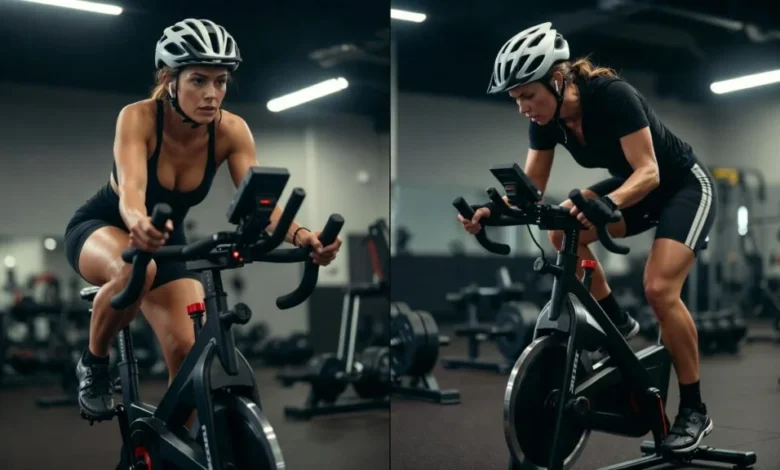
A spin class may look simple from the outside. Riders sit on bikes, pedal to music, and follow the instructor. But the quality of the workout depends on more than just moving the legs. Two key variables shape the ride: resistance and cadence. When riders understand how these work together, the class becomes more effective, safer, and more engaging.
For anyone joining spinning classes, learning the relationship between resistance and cadence can improve the entire experience. Resistance controls how heavy the pedals feel. Cadence controls how quickly the pedals turn. Together, they determine the intensity of the ride, the muscle demand, and the cardiovascular challenge.
What Resistance Means in Spin Training
Resistance is the tension applied to the bike. When resistance is low, the pedals turn easily. When resistance increases, each pedal stroke requires more force. This makes the ride feel heavier, similar to climbing a hill.
Resistance is important because it gives the legs something to work against. Without enough resistance, pedaling can become uncontrolled and ineffective. The rider may bounce in the saddle or spin too freely without meaningful effort.
Good resistance should create challenge while allowing smooth movement.
What Cadence Means
Cadence is pedal speed, usually measured in revolutions per minute. A higher cadence means faster pedaling. A lower cadence means slower pedaling.
In a spin class, cadence often follows the music and the instructor’s cues. Fast sections may train speed and cardio response. Slower sections with heavier resistance may train strength endurance.
Cadence helps riders understand rhythm and pacing.
Why Resistance and Cadence Must Be Balanced
Resistance and cadence are connected. If resistance is too low and cadence is too high, the rider may lose control. If resistance is too high and cadence is too low, the rider may struggle to maintain smooth pedaling. The best ride finds the right balance for each section.
For example, a climb usually uses higher resistance and lower cadence. A speed interval may use lower resistance and higher cadence. A steady endurance block may use moderate resistance and controlled cadence.
This balance keeps the workout purposeful.
Fast Pedaling Is Not Always Better
Many beginners assume that faster pedaling means better performance. That is not always true. If the pedals are turning quickly but there is little resistance, the rider may not be producing much useful work. The movement can become loose and inefficient.
Fast cadence should still feel controlled. The hips should remain stable, posture should stay strong, and the rider should not bounce.
Quality matters more than simply chasing speed.
Heavy Resistance Is Not Always Better Either
Heavy resistance can build leg strength endurance, but too much resistance can create poor form. Riders may rock side to side, strain the knees, or lose rhythm. The goal is not to turn every section into a maximum-effort grind.
Resistance should match the purpose of the class segment.
A strong rider is not the one who always uses the most resistance. A strong rider is the one who uses the right resistance with control.
How Resistance Builds Muscular Endurance
When resistance increases, the legs need to push harder. This challenges the quads, glutes, hamstrings, and calves. Over time, repeated resistance work can improve muscular endurance.
This is especially useful during climb sections. Riders learn to sustain pressure through the pedals while maintaining breathing and posture.
Muscular endurance helps the legs handle longer rides and harder efforts.
How Cadence Builds Speed and Cardiovascular Demand
Higher cadence sections challenge the cardiovascular system. The heart rate rises, breathing becomes more active, and the rider must maintain rhythm. These sections can improve speed awareness and conditioning.
However, cadence work should still be supported by enough resistance to keep the ride stable. Very light resistance at high speed can reduce control.
The instructor’s cueing helps riders find the right range.
The Role of Power
Power output comes from the combination of resistance and cadence. In simple terms, pushing heavier resistance at a useful cadence creates more work. Some bikes display watts, which show power output.
Power can help riders understand effort more accurately. A rider may produce more power by increasing resistance, cadence, or both.
This makes spin training measurable and motivating.
How Beginners Should Approach Resistance and Cadence
Beginners should focus first on control. It is better to ride smoothly at moderate effort than to chase extreme speed or heavy resistance. The body needs time to learn rhythm, posture, and pacing.
New riders should ask for bike setup help, listen to instructor cues, and adjust intensity when needed.
Progress will come with repeated practice.
How Experienced Riders Can Use Both Variables
Experienced riders can use resistance and cadence more strategically. They may push heavier climbs, maintain higher cadence during speed work, or track power output over time. They may also learn to control effort across the full class rather than burning out early.
For experienced riders, the challenge is precision. How much resistance can be held without losing cadence? How fast can cadence rise while posture stays stable?
This makes the ride more skillful.
Why Form Still Matters
Resistance and cadence mean little if form breaks down. Riders should maintain a stable torso, relaxed shoulders, controlled grip, smooth pedal stroke, and proper knee alignment. Poor form can reduce efficiency and create discomfort.
The bike should feel like a tool, not a struggle.
Good technique makes resistance and cadence more effective.
Matching Resistance and Cadence to Class Goals
A well-designed spin class uses resistance and cadence to create variety. Warmups may use moderate cadence and light resistance. Climbs may use heavier resistance. Intervals may alternate faster cadence with recovery. Cooldowns gradually reduce intensity.
Each section has a purpose.
Understanding this helps riders feel more connected to the class.
Training Smarter With Spin Metrics
Resistance and cadence are not just numbers or cues. They are training tools. When riders learn how to adjust them, they gain more control over effort. They can make sessions harder, easier, faster, heavier, or more endurance-focused.
For people comparing indoor cycling options, True Fitness Singapore may be relevant when looking for spin classes that combine coaching, music, resistance, cadence, and structured cardio progression.
FAQ
What is cadence in spin training?
Cadence is how fast the pedals turn, usually measured in revolutions per minute.
What does resistance do in a spin class?
Resistance makes the pedals feel heavier, increasing muscular effort and simulating climbs or harder riding conditions.
Should beginners focus on speed or resistance?
Beginners should focus on smooth control, proper setup, and manageable intensity before chasing speed or heavy resistance.
Can resistance and cadence improve fitness together?
Yes. Resistance builds muscular endurance, while cadence supports speed, rhythm, and cardiovascular demand.