
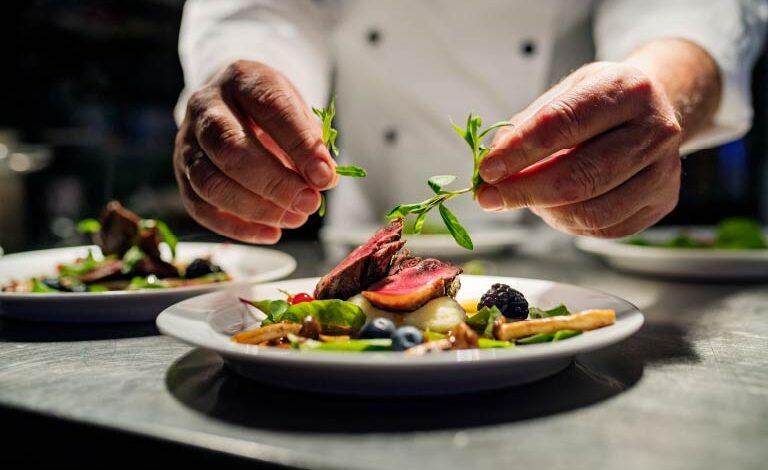
For decades, dining at a luxury resort followed an uninspired, predictable formula. The typical full-service property offered an all-day international buffet, a poolside grill serving club sandwiches, and a formal dining room defined by heavy white tablecloths and dated continental cuisine. Food was treated as an operational convenience rather than a primary attraction. Travelers selected a destination for its pristine beaches, world-class golf courses, or private mountain villas, viewing on-site meals as merely an incidental requirement of the stay.
That dynamic has experienced an irreversible structural shift. Modern luxury travelers no longer view gastronomy as an amenity; they view it as a primary travel motivator. To capture this discerning demographic, high-end hospitality brands have forged ambitious partnerships with world-renowned, Michelin-starred chefs. These culinary luminaries are not simply lending their names to menus as marketing figureheads. Instead, they are overhauling the luxury hospitality model from the ground up, turning remote resort destinations into the epicenters of global culinary innovation.
The Evolution of the Culinary Pilgrimage
The modern trend of luxury resort dining is rooted in the rise of culinary tourism. Today’s global traveler is more food-literate than any prior generation. Fueled by specialized media, travel documentation, and global dining guides, consumers seek authenticity, cultural immersion, and memorable sensory experiences.
When Michelin-starred talent establishes residency within a resort, the property ceases to be merely a resting place between excursions. It becomes an anchor destination in its own right. Travelers routinely plan international itineraries around securing a seat at a multi-course tasting counter perched above a cliffside in Big Sur, overlooking the turquoise lagoons of the Maldives, or tucked into the alpine foothills of Saint-Moritz. By embedding destination dining directly into the lodging experience, resorts solve a classic pain point for high-net-worth guests: the challenge of securing elusive reservations across international culinary capitals. The restaurant is no longer a perk of the room; the room is frequently booked to access the table.
Moving Beyond the Celebrity License Model
In the early 2000s, resort dining partnerships often relied on passive licensing agreements. A famous chef would license their likeness, design a signature opening menu, drop in for an annual press dinner, and leave day-to-day execution to property staff. The results were predictably uneven, leading to diluted brand equity for both the chef and the hotel operator.
Today’s partnerships operate on an entirely different standard of rigor. The new generation of Michelin-led resort collaborations prioritizes full operational integration:
-
Direct Mentorship and Staff Placement: Master chefs place their own trusted lieutenants, executive sous chefs, and head sommeliers on permanent site assignments, guaranteeing kitchen standards match their flagship metropolitan kitchens.
-
Architecture and Ambiance Integration: Rather than inheriting a generic dining space, visiting culinary directors collaborate directly with interior architects, designing bespoke open kitchens, custom ceramic tableware, and lighting schemes that complement the surrounding geography.
-
Micro-Seasonal Dynamic Menus: Gone are the static laminated menus that remained unchanged for quarters at a time. Resort kitchens now update offerings based on weekly harvest rhythms and local weather conditions.
-
Cross-Departmental Synergy: The Michelin culinary philosophy permeates the entire property, elevating room service, private beach cabana dining, poolside small plates, and bespoke wellness retreats.
Hyper-Local Sourcing and Agricultural Stewardship
One of the most consequential ways Michelin-starred chefs are transforming resorts is through a radical commitment to local provenance. Fine dining in remote luxury retreats once meant flying in wagyu from Kobe, truffles from Alba, and oysters from Brittany, regardless of whether the resort sat in the Caribbean or the South Pacific. This logistical model was not only environmentally taxing, but it also stripped the dining experience of any tangible connection to its surrounding geography.
Visionary chefs have upended this reliance on international air freight. When taking over a resort kitchen, their first directive is typically an exhaustive regional survey of local farmers, artisanal fisheries, and heritage foragers.
In coastal settings, chefs partner directly with regional fishermen, utilizing line-caught, non-commercial species that showcase the authentic ecosystem of local waters. In agricultural regions, resorts invest capital into building on-site biodynamic farms, aeroponic greenhouses, and heritage orchards managed directly under the chef’s culinary umbrella.
This focus aligns directly with the Michelin Guide’s contemporary emphasis on environmental responsibility, exemplified by the Michelin Green Star. Guests are no longer satisfied by imported opulence alone; they demand to taste the micro-terroir of their travel destination. When a resort restaurant produces dishes featuring herbs harvested fifty feet from the dining table, heirloom vegetables indigenous to the valley, and honey from estate apiaries, it delivers a narrative that cannot be replicated anywhere else in the world.
Designing Multidimensional Sensory Experiences
Eating at an elite resort has evolved far beyond sitting in a dining room for two hours. Michelin-starred chefs treat dining as an experiential journey interwoven with the destination itself.
Instead of traditional, compartmentalized meal services, resorts now offer kinetic culinary programming:
-
Interactive Kitchen Labs: Intimate chef counters where guests observe precision plating, discuss culinary chemistry, and taste test experimental fermentations.
-
Foraging and Harvesting Excursions: Guided expeditions led by senior culinary staff, allowing guests to gather coastal botanicals, wild mushrooms, or mountain aromatics before returning to the kitchen to see them prepared.
-
Site-Specific Wine and Spirit Pairings: Curated cellars managed by master sommeliers who match rare vintages with regional specialties, accompanied by educational masterclasses inside subterranean stone vaults.
-
Immersive Natural Settings: Dining formats that move seamlessly across the property, such as multi-course meals served amid ancient olive groves, private banquets set upon offshore sandbanks, or outdoor smokehouse sessions beneath alpine peaks.
Through these multisensory engagements, the boundaries between the kitchen, the surrounding wilderness, and the guest experience dissolve entirely.
Redefining Wellness and Nutritional Gastronomy
The historical perception of Michelin-level food involved rich, butter-laden sauces, heavy carbohydrates, and dietary excess that ran contrary to the goals of health-conscious travelers. Concurrently, traditional resort wellness cuisine often swung to the opposite extreme, presenting sterile, flavorless spa menus focused solely on calorie restriction.
Top-tier chefs have dismantled this false dichotomy by bringing fine dining techniques to functional nutrition. Collaborating with clinical nutritionists and wellness directors, Michelin chefs at leading wellness retreats design menus that prioritize gut health, metabolic balance, and cellular rejuvenation without sacrificing depth, texture, or aesthetic artistry.
Using advanced extraction techniques, cold-pressed plant essences, natural fermentation, and low-temperature sous-vide preparation, kitchens produce vibrant, plant-forward tasting menus. Guests can pursue rigorous physical fitness, medical wellness treatments, or digital detox programs while continuing to enjoy world-class culinary artistry each evening.
The Economic and Brand Multiplier for Hospitality Operators
Securing and maintaining Michelin-caliber dining requires significant capital investment, ranging from specialized kitchen build-outs to elevated labor costs for specialized kitchen brigades. Yet, for luxury resorts, the return on investment extends far beyond standard food and beverage margins.
A Michelin partnership serves as a high-visibility marketing asset that fundamentally re-anchors a resort’s commercial positioning. It drives higher average daily room rates, increases the length of stay, and stabilizes occupancy during shoulder seasons when traditional leisure travel softens. Furthermore, it attracts non-resident local patrons and business leaders, turning the resort into a cultural hub for the broader surrounding community. In an era where luxury consumers value experiential memory over material possessions, culinary excellence has established itself as an indispensable driver of long-term brand equity.
Frequently Asked Questions
How do resorts maintain culinary consistency when the headline chef travels frequently?
Resorts maintain rigorous quality standards through permanent on-site executive leadership. The partner chef places a trusted culinary director or head chef who has spent years training within their primary metropolitan establishments. The kitchen operates using precise, digitized technical sheets detailing ingredient weights, preparation temperatures, and plating specifications. Furthermore, leadership teams conduct daily quality tastings and routine menu audits to ensure standards remain uncompromised regardless of the headlining chef’s physical location.
Are children and families accommodated in resort-based Michelin-starred restaurants?
While formal tasting counters frequently enforce minimum age guidelines to preserve an intimate atmosphere, family-friendly resorts frequently adapt the fine dining ethos for diverse age groups. Many properties introduce multi-course family dining hours earlier in the evening or establish adjacent culinary spaces that offer thoughtfully crafted menus using the same premium, locally sourced ingredients prepared in more accessible formats for younger palates.
Does a Michelin-starred restaurant located inside a resort qualify for the Michelin Green Star?
Yes, resort-based restaurants are fully eligible for the Michelin Green Star. This distinction honors dining establishments at the forefront of sustainable practices. Inspectors evaluate circular kitchen initiatives, zero-waste composting systems, direct relationships with regenerative agricultural producers, local marine protection commitments, and the presence of on-site organic gardens or estate apiaries.
How does resort casual dress code interact with the formality of Michelin dining?
Resorts have largely pioneered the shift toward relaxed elegance in fine dining. While footwear like beach sandals, athletic gym wear, and swimwear remains prohibited in flagship dining rooms, the traditional requirement for formal jackets and ties has been largely replaced by resort-elegant attire. This standard balances light, breathable fabrics like linen with polished, tailored silhouettes suited for warm-weather or remote outdoor destinations.
How far in advance should guests reserve resort dining experiences?
Securing a table at an acclaimed resort restaurant often mirrors the competitive booking timelines of major culinary hubs. For signature chef tables and intimate counter seats, reservations frequently open thirty to ninety days in advance. Many luxury properties offer their registered overnight guests preferred or prioritized booking windows prior to opening reservations to outside non-resident diners.
Can resort guests with severe dietary allergies safely navigate complex multi-course tasting menus?
Leading resort kitchens excel at accommodating severe dietary restrictions, provided they receive advance notice during the booking process. Because Michelin-caliber operations prepare basic components from foundational raw ingredients rather than pre-made bases, chefs can substitute elements seamlessly. Dedicated pastry and sauce teams frequently design alternative tasting trajectories that match the presentation and flavor balance of the standard menu without cross-contamination risk.