
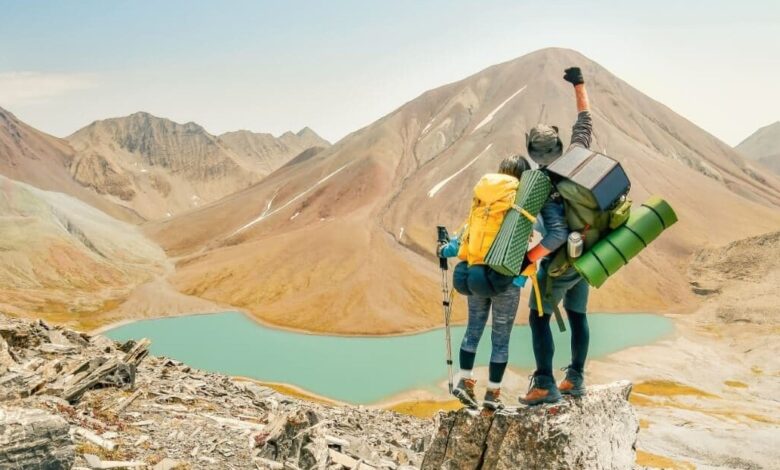
Travel is evolving, and so are the motivations behind why seasoned explorers venture into the world. While mainstream tourism revolves around climate-based seasons or predictable peak months, a more sophisticated philosophy is emerging: micro-season travel. This approach focuses on the fleeting, hyper-specific windows—sometimes just days long—when a destination undergoes subtle but meaningful transformations. These shifts might involve wildlife behavior, cultural rituals, agricultural rhythms, or environmental patterns that reveal a deeper layer of place-based authenticity.
Micro-season travel goes far beyond simply choosing an off-peak month. It’s about aligning your journey with the precise moment when nature, culture, and atmosphere collide to create experiences that many visitors never witness.
What Makes Micro-Season Travel Different?
Most travelers plan around standard divisions like spring or fall, but these categories hardly capture the true complexity of nature. Some regions transition through dozens of distinct phases each year, shaped by temperature, bloom cycles, harvests, migrations, and micro-climates. These short-lived moments form the foundation of micro-season travel.
A micro-season may last as little as three to seven days and is defined by:
-
Specific ecological changes, such as the emergence of a particular flower or the arrival of a migratory species
-
Cultural customs or rituals tied to natural cycles
-
Local food availability such as the first press of seasonal olive oil or the week-long window of alpine herbs
-
Atmospheric experiences, including unique lighting, fog patterns, or tide shifts
Rather than arriving “sometime in fall,” travelers arrive when the first crimson leaves appear, or when monsoon clouds form low over rice terraces, or when desert blooms reach their peak coverage.
Why This Approach Resonates With Advanced Travelers
1. Access to Rare Experiences Unseen by Mass Tourism
Most tourists arrive during predictable waves, missing the subtle events that create a sense of wonder. Micro-season travel enables you to catch moments such as:
-
The exact week fireflies synchronize across certain forests
-
The two-day window when Iceland’s moss fields glow most intensely after rainfall
-
The brief appearance of bioluminescent tides along remote coasts
These are not experiences listed on standard itineraries—they require precision, planning, and a willingness to align travel with nature’s schedule.
2. Deep Cultural Immersion
Many local traditions are not advertised or widely known. Micro-season travel brings visitors into contact with:
-
Village-level harvest rituals
-
Seasonal tea picking events
-
Small-scale festivals tied to solstices or lunar cycles
Because these events are intimate and community-centered, travelers gain a perspective that feels personal rather than commercial.
3. Sustainable Travel by Design
Traveling in micro-seasons naturally disperses tourism more evenly across the calendar. This benefits communities by:
-
Avoiding strain during peak periods
-
Supporting local economies throughout the year
-
Encouraging preservation of seasonal practices and heritage
It also reduces environmental pressure, as micro-season travelers typically engage with nature more respectfully due to the intentionality behind their trips.
Destinations Where Micro-Seasons Transform the Experience
Japan elevates micro-season philosophy into an art form. Instead of four seasons, the traditional calendar divides the year into 72 phases, each lasting about five days. Examples include:
-
“Caterpillars become butterflies”
-
“Warm winds thaw the ice”
-
“Bamboo shoots sprout”
Traveling with these markers in mind leads to quieter temples, regional foods at their brief peak, and a refined awareness of nature’s pace.
The Tuscan Olive Oil Weeks
Tuscany experiences a micro-season in late autumn when olives are harvested and pressed into olio nuovo, a vivid green, peppery oil available for only a short time. Travelers who come during these days enjoy:
-
Participation in local harvests
-
Farm-table meals featuring the season’s first oil
-
Regional festivals that rarely appear in mainstream guides
It’s a moment of agricultural celebration that connects visitors directly to local land and labor.
Norway During the Golden Midnight Weeks
While many visit Norway in summer for endless daylight, insiders know that midnight sun has its own micro-phases. During a certain week in June, the angle of the sun creates a golden band of light that wraps fjords in a surreal glow. Photographers plan entire trips around this light phase, which doesn’t repeat exactly from year to year.
The Desert Bloom in Arid Landscapes
Desert blooms are famously unpredictable, sometimes appearing for only a few days following rare rain. The phenomenon transforms entire valleys with color, attracting botanists, seasoned hikers, and travelers who appreciate temporal beauty.
How to Plan a Micro-Season Trip
1. Study Local Indicators Instead of Tourist Calendars
Mass tourism calendars reflect convenience, not authenticity. Micro-season planning requires exploring:
-
Local agricultural cycles
-
Fishing seasons
-
Wildflower calendars
-
Migration patterns
-
Tidal charts
-
Traditional cultural observances
Many of these are documented in local research institutions, community newsletters, or historical records.
2. Prioritize Flexible Travel Windows
Some micro-seasons shift yearly due to weather. Travelers often choose:
-
A flexible 1–2 week range
-
Bookings that allow changes
-
Local guides who track seasonal signals
This flexibility is essential when aiming for events that may arrive early or late.
3. Choose Stays That Align With Local Rhythms
Accommodations like eco-lodges, community homestays, and small agriturismos often sit closer to nature and seasonal activity. Their owners have firsthand knowledge of:
-
When specific plants bloom
-
Animal movement patterns
-
Ritual timings
This local intelligence shapes a richer, more precise travel plan.
4. Create Space for Serendipity
Micro-season travel thrives on observation. Spend time:
-
Walking less-visited trails
-
Engaging with artisans or farmers
-
Observing changes in light, wind, or temperature
These small interactions often lead to spontaneous learning moments or invitations to intimate events.
5. Travel Light and Responsibly
Because micro-seasons are delicate, travelers should adopt low-impact habits:
-
Avoid trampling vegetation during bloom cycles
-
Follow wildlife viewing guidelines
-
Support local, seasonal food producers
The goal is to witness without disrupting the natural processes that make the moment special.
What Micro-Season Travel Is Not
To clarify expectations:
-
It’s not “off-season travel”
-
It’s not budget travel
-
It’s not about avoiding crowds alone
-
It’s not predictable or guaranteed
Instead, it’s a refined strategy built on timing, environmental awareness, and cultural insight.
Transforming Your Travel Mindset
Micro-season travel invites a more mindful relationship with places. Instead of collecting sights, you collect phases. Instead of racing through itineraries, you sink into the present. Instead of relying on guidebooks, you tune into the environment and the people who live by its rhythms.
Travel becomes a form of natural attunement—an experience defined by timing rather than speed.
Frequently Asked Questions
1. How far in advance should I plan a micro-season trip?
Planning typically begins several months ahead, but travelers maintain flexible arrival dates to adapt to natural variations such as weather shifts.
2. Do micro-season trips cost more than standard travel?
Not always, though costs can rise if the moment aligns with a niche local celebration. However, these expenses usually support local communities directly.
3. Are micro-seasons suitable for group travel?
Yes, but small groups function best. Large groups may struggle to adapt to the flexibility required.
4. How do I find reliable local sources for micro-season timing?
Look for agricultural cooperatives, wildlife groups, local cultural boards, academic field stations, or independent naturalists.
5. What type of traveler benefits most from this approach?
Experienced travelers who value authenticity, photography, ecology, gastronomy, or cultural anthropology often appreciate micro-season travel the most.
6. What if a micro-season event doesn’t happen as expected?
Flexibility is key. Most destinations still offer other natural or cultural moments during the same timeframe.
7. Can micro-season travel be done in urban destinations?
Absolutely. Cities also have micro-seasons, from ephemeral culinary windows to fleeting cultural events and atmospheric changes such as seasonal street life patterns.