Creating a home that feels both timeless and lived-in requires balancing the character of older eras with the clean comfort of modern design. Designing an interior entirely with brand-new pieces often makes a space look flat, uninspired, and indistinguishable from a commercial showroom. Conversely, filling a room entirely with genuine antiques can create a cluttered atmosphere that feels more like a museum archive than an inviting living environment.
The sweet spot lies in the tension between the old and the new. When you combine vintage elements with sleek, contemporary lines, each piece elevates the other. A weathered oak table feels more grounded next to polished chrome chairs, just as an abstract painting brings fresh vitality to an ornate plaster fireplace. Mastering this design approach requires an understanding of proportion, silhouette, material cohesion, and focal points.
The Core Principles of Blending Eras
Successfully pairing disparate eras rests on deliberate contrast rather than random assembly. Every room needs a unifying language to ensure that varied periods converse naturally instead of competing for attention.
The 80/20 Balance Rule
A reliable guideline for mixing periods is the 80/20 rule. Allocate roughly eighty percent of your room to one dominant style and the remaining twenty percent to accent pieces from another era.
-
Contemporary Foundation with Vintage Accents: Anchor the room with a clean-lined modern sofa, minimalist architectural lighting, and neutral wall paint. Then introduce character using an antique Persian rug, a carved Victorian console table, or mid-century brass table lamps.
-
Historic Foundation with Modern Accents: In a home featuring original crown molding, exposed brick, or herringbone wood floors, incorporate ultra-modern furniture, minimalist art frames, and sculptural modern floor lamps to prevent the architecture from feeling overly traditional.
Contrast in Silhouette and Form
Juxtaposition gives a mixed-era space its visual energy. If every item in the room shares the same visual weight, the eye finds nowhere to rest.
-
Pair soft, curved mid-century silhouettes with angular, geometric modern tables.
-
Position an ornate, gilded French mirror above a severely pared-back, monolithic marble credenza.
-
Counterbalance the heavy presence of a dark wood Renaissance-revival armoire by setting it against unadorned, gallery-white walls.
Color Palettes That Unify Divergent Styles
Color serves as the common denominator that binds different historical styles together. A disciplined palette prevents a diverse furniture collection from looking chaotic.
Anchoring with Neutral Backdrops
Neutral walls in warm ivory, soft alabaster, or muted greige act as a blank canvas. These tones allow the intricate craftsmanship of vintage woods and the stark geometries of modern pieces to stand out without competing against a loud backdrop.
Echoing Accent Colors Across Periods
Select two or three secondary colors and distribute them evenly across items from different periods.
-
Pull an ochre tone from the pattern of a vintage oil painting and repeat it through modern velvet throw pillows on a contemporary sectional.
-
Mirror the deep forest green found in antique glazed ceramics through a contemporary wool throw or modern stoneware planter.
Materiality, Texture, and Patina
Texture bridges the gap between historical craftsmanship and contemporary manufacturing. Modern design tends toward smooth, matte, or high-gloss finishes, while vintage objects offer tactile richness shaped by age and human touch.
Celebrating Authentic Patina
Patina is the visual record of age, use, and exposure. It cannot be authentically mass-produced, and it provides an organic counterweight to machine-perfect modern surfaces.
-
Aged Woods: The visible grain, wear marks, and deep tones of antique walnut, oak, and cherry soften the cool precision of modern metals and polished concrete.
-
Oxidized Metals: Unlacquered brass, blackened bronze, and tarnished silver introduce depth when placed alongside brushed nickel or industrial powder-coated steel.
-
Worn Textiles: Faded wool kilims, vintage Belgian linens, and distressed leather introduce warmth that balances modern drywall and glass surfaces.
High-Low Material Combinations
Pairing unexpected textures creates sophisticated tension within a room.
-
Mount a raw, unfinished vintage butcher block counter on clean, flat-panel modern kitchen cabinetry.
-
Place sleek, contemporary glass cocktail glasses atop a rustic, heavily distressed primitive farm table.
-
Hang a crisp, tailored linen drum pendant directly above an intricate Chippendale dining set.
Room-by-Room Guide to Blending Eras
The Living Room: Layering for Comfort
The living room demands functional comfort alongside aesthetic balance. Start by selecting seating that fulfills modern ergonomic needs, as vintage sofas often lack the cushion depth and support required for everyday leisure.
-
Use a deep, contemporary track-arm sofa as your primary seating surface.
-
Flank the sofa with a pair of mid-century leather sling chairs or reupholstered Victorian wingbacks.
-
Anchor the entire arrangement over an antique hand-knotted area rug that incorporates modern neutral tones.
-
Display contemporary coffee table books alongside weathered stoneware pots and antique brass bookends.
The Dining Room: Mixing Seating and Surfaces
Dining rooms offer an ideal canvas for high-contrast combinations because the functional requirements are simple: a central table, surrounding chairs, and overhead illumination.
-
Set a rustic antique trestle table beneath an avant-garde modern mobile chandelier constructed from black steel and frosted globes.
-
Alternatively, surround an ultra-modern Saarinen tulip table with antique carved mahogany dining chairs newly reupholstered in crisp, plain-weave performance linen.
-
Incorporate a vintage sideboard to store dishware, topping it with a bold, oversized modern abstract canvas.
The Bedroom: Softening Modern Restfulness
Bedrooms should cultivate serenity, meaning high-contrast elements must remain visually calm and uncluttered.
-
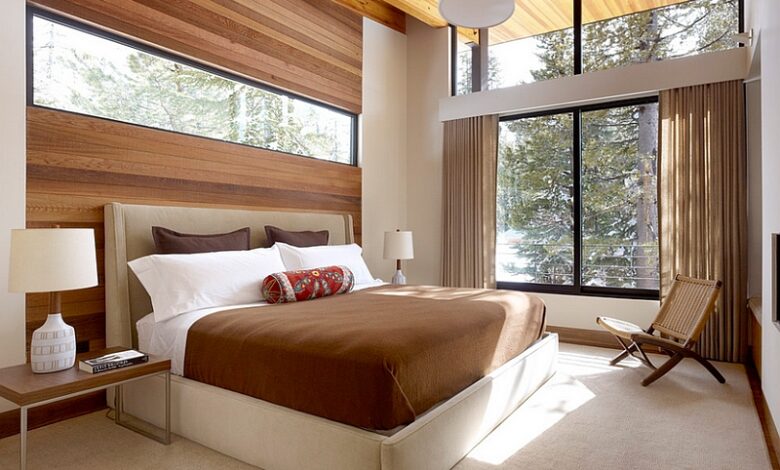
Select a modern platform bed with an upholstered headboard to serve as a quiet, tailored anchor.
-
Flank the bed with mismatched antique nightstands, such as an art deco burl-wood cabinet on one side and a turned-leg French provincial table on the other.
-
Install modern plug-in wall sconces above the nightstands to keep the tabletops clear for vintage ceramic dishes and reading material.
Practical Strategies for Sourcing and Selecting Vintage Pieces
Building a home that blends eras requires patience. Rushing the process by buying entire matching sets leads to generic styling.
-
Prioritize Structural Integrity: Look for solid wood joinery, mortise-and-tenon construction, and substantial weight when shopping secondhand. Cosmetic flaws like light scratches can be oiled, waxed, or embraced as patina, but weak internal frames are difficult to salvage.
-
Look Past Outdated Fabrics: Never dismiss a vintage chair due to worn or unattractive upholstery. Reupholstering a vintage frame in a fresh, textural boucle, tailored wool, or heavy Belgian linen immediately bridges the gap between antique forms and modern living.
-
Scale and Proportion Come First: Antique furniture was built for rooms with different dimensions and ceiling heights than modern homes. Measure floor plans carefully to ensure a large historic piece does not overwhelm contemporary doorways or crowd modern floor spaces.
Frequently Asked Questions
How can I make vintage lighting compatible with standard residential wiring?
Many vintage lamps and fixtures require rewiring to meet current electrical codes and handle modern LED bulbs. You can purchase standard lamp rewiring kits at hardware stores, which include updated sockets, cords, and polarized plugs. For hardwired ceiling fixtures, chandeliers, or European imports wired for different voltages, hire a certified lamp repair technician or licensed electrician to safely update the internal mechanics before installation.
What should I look for to determine whether a vintage wooden piece is genuine solid wood or thin veneer?
Examine the edges, corners, and back panels of the furniture. On solid wood furniture, the grain continues over the edges and matches across joints, and the end-grain is visible where cuts occur. On veneered pieces, you will often spot a thin seam line where a thin layer of decorative wood meets a secondary core wood or composite base. Veneer is not inherently low quality, but genuine solid wood withstands heavier refinishing and exhibits more authentic wear over decades.
Which types of vintage items should typically not be altered or painted?
Pieces made by celebrated designers, items bearing original maker marks, and genuine antiques constructed from rare, high-grade hardwoods like rosewood, solid walnut, or flame mahogany should never be painted. Painting severely damages their historic significance, market value, and intrinsic grain beauty. Conversely, mass-produced vintage furniture from the mid-twentieth century made from common pine or damaged composite boards can be painted or modified without significant loss of value.
Can different wood tones from separate eras be used within the same room?
Different wood tones can easily coexist if they share a compatible undertone, such as warm honey undertones, cool ash tones, or deep red bases. Avoid mixing wood tones randomly; instead, repeat each specific wood tone at least twice across the room to create visual rhythm. Pairing a dark antique walnut dresser with blonde modern oak floors works effectively as long as mid-tone wood accessories, picture frames, or tray surfaces bridge the tonal spectrum between them.
What is the most effective method for cleaning and deodorizing musty antique furniture?
Start by wiping down all wooden surfaces with a soft microfiber cloth dampened with warm water and mild Castile soap, drying the wood immediately with a clean towel. To eliminate persistent musty odors from drawers and cabinets, pull the compartments out and set them in a dry, sunny area with good airflow for several hours. Placing shallow bowls filled with activated charcoal pellets or baking soda inside closed drawers for several days will also absorb trapped, lingering odors without damaging the original wood finish.
How do I protect antique rugs from rapid wear when placed in high-traffic modern rooms?
Always place a thick, high-density felt and natural rubber rug pad directly underneath the antique rug. A quality pad prevents the foundation fibers from grinding against hard flooring underneath while stopping the rug from shifting or buckling underfoot. In addition, rotate the rug one hundred and eighty degrees every six months so that foot traffic and ambient natural sunlight distribute evenly across the pile, preventing localized fading and bald spots.