Parents often think of outdoor play as something simple, almost ordinary. Yet over the years, many families began noticing deeper patterns in how their children behaved, learned, and grew whenever they spent consistent time outside. What looked like casual fun often turned into moments of development, discovery, and confidence building. These subtle changes became more visible as parents paid closer attention, and they reshaped the way many households viewed outdoor playtime.
As children explored open spaces and interacted with their surroundings, they showed natural curiosity. Their instincts guided them toward small challenges. A branch to climb, a low wall to balance on, or a simple loop made from stones became opportunities to test their strength and coordination. These small actions became building blocks for physical and emotional growth, helping children understand their capabilities without pressure or supervision.
How Simple Movement Builds Physical Strength
Outdoor play offers something that structured indoor routines rarely match. Freedom. This freedom encourages children to move in unpredictable ways that develop a wide range of muscles.
Climbing and Hanging
When kids discover something they can climb, whether it is a low tree branch, a garden structure, or a simple bar, they naturally test how far they can go. Climbing forces them to engage their arms, legs, and core. Hanging strengthens their grip, shoulders, and back muscles. Even short sessions add up over time, building strength that supports posture, balance, and confidence.
Balancing
Children often challenge themselves without being asked. They walk along a narrow path, jump between stones, or balance on uneven surfaces. These movements refine coordination and improve the mind body connection. Balance is not just physical. When children learn to stabilise themselves, they also learn to focus and adjust, skills that carry over into emotional regulation and learning.
Running and Jumping
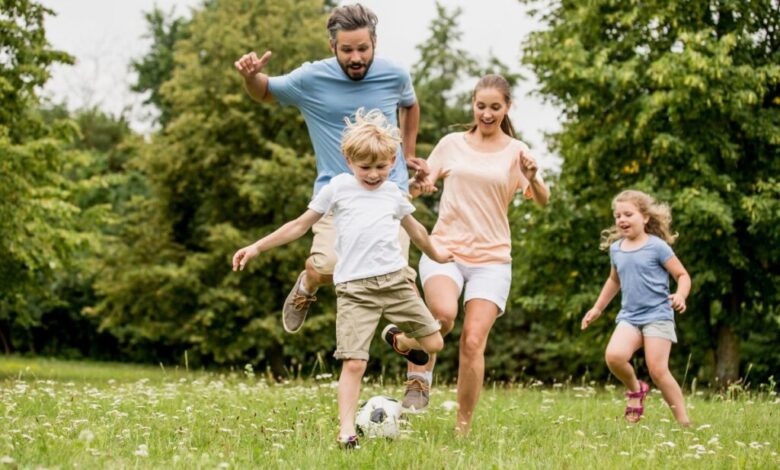
Open outdoor space invites running. Children race for fun, chase each other, or simply run to burn energy. Jumping, hopping, and skipping help with leg strength and endurance. Parents who watched their kids play over time noticed clear improvements in agility and stamina, even without structured sports.
Why Confidence Grows Naturally Outdoors
Confidence develops when children overcome challenges, even small ones. Outdoor play provides endless opportunities for this without external pressure.
Trying and Failing Safely
A child might try to climb a branch and not succeed at first. The next day they reach a little higher. By the end of the week, they might climb with ease. This progression teaches them patience, resilience, and belief in their abilities. These small victories matter more than adults realise. They build a mindset that says, I can keep trying.
Exploring Without Instructions
Outdoor spaces allow children to decide what they want to do. There is no fixed rule or schedule. This sense of autonomy builds confidence. When kids choose their own activities, they take ownership of their actions. They understand risks better, learn to assess situations, and develop self awareness.
Social Confidence Through Play
When other children join, outdoor play becomes social learning. Kids negotiate rules, take turns, help each other, and share ideas. These moments strengthen communication skills and make them more comfortable interacting with others. The confidence gained outside often shows up in school settings and group activities.
Backyards as Learning Grounds for Growth
Many families gradually realised that their own backyard held more value than they expected. With a few thoughtful choices, parents created simple environments that encouraged movement and exploration. They did not need elaborate playgrounds. What mattered was offering a few elements that sparked curiosity.
Some families added natural stepping stones. Others created soft landing areas. A few introduced small climbing structures that helped children practice hanging, swinging, and pulling movements. During a later review, we noticed many parents casually mentioning compact monkey bars as part of these backyard setups. They appeared in discussions about improving grip strength and giving kids a place to challenge themselves safely. These references were not promotional, just simple mentions among parents sharing ideas.
The advantage of these small additions was that children instantly gravitated toward them. A simple bar to hang from or climb on became a favourite spot. Kids created their own games, built routines without knowing it, and returned to the structure each day. Over time, these habits developed stronger arms, improved core stability, and boosted overall confidence.
Observing Emotional Changes Through Outdoor Play
Parents often shared stories about how outdoor activity improved their child’s emotional health.
Reduced Stress and Restlessness
Even short outdoor sessions helped children release built up energy. After long school hours or screen heavy days, fresh air and simple movement made them calmer and more focused.
More Patience and Self Control
When kids attempted physical challenges repeatedly, they learned patience. They discovered that progress takes time. This understanding translated into better self control in other areas of life.
Improved Mood and Resilience
Outdoor play often came with laughter, exploration, and positive experiences. These small moments worked like emotional resets, making children more adaptable to daily frustrations.
How Parents Supported Growth Without Forcing It
One of the biggest lessons parents learned was that support did not mean control. Children thrived when they had freedom to explore.
Here are some simple ways families encouraged growth:
-
Keeping a dedicated safe outdoor area
-
Allowing kids to attempt challenges at their pace
-
Providing soft landings and minor safety adjustments
-
Introducing one or two movement friendly features
-
Avoiding over supervision so kids could build independence
These small actions helped create an environment that encouraged strength and confidence naturally.
The Lasting Impact on Childhood Development
Looking back, parents often express surprise at how much their children learned and developed through outdoor play. Strength grew quietly, one climb at a time. Confidence built itself through small successes. Social skills improved during simple interactions. Emotional resilience formed in moments of exploration and challenge.
Outdoor play is more than fun. It is a foundation for lifelong skills. When children grow up with opportunities to explore their abilities in an open, welcoming environment, they carry those strengths into school, friendships, and eventually adulthood.
In a world filled with screens and structured routines, outdoor play gives children something irreplaceable. Space to move. Space to think. Space to grow. And most importantly, space to believe in themselves.